







Search Results for: qualified barista
Analysis of Barista Training Duration and Latte Art Learning Timeline, Five Core Competencies Every Qualified Barista Must Have
How long does it actually take to become a qualified barista? The learning curves for pour-over and espresso latte art differ, but what truly determines professional height are the professional habits that go beyond technical skill. Starting from the learning timeline, this article systematically outlines the five core qualities a qualified barista should possess: from insisting on drinking black coffee to build sensory memory, to broadly exploring cuisine to enrich flavor description ability; from strictly adhering to hygiene standards to integrating into team collaboration, and to maintaining an open mindset of continuous learning. The article also addresses the doubts raised by the "talent theory," emphasizing that solid practice is the key to growth. For baristas who are just entering the industry or seeking a breakthrough, this is a reference that combines practical guidance with professional philosophy. [more…]
Want to become a professional barista? First, understand the skills and commitment this career requires.
Many people envy baristas for being able to taste all kinds of coffee, operate expensive equipment, and even experiment with different drinks, but this profession is far from as easy as it looks on the surface. To become a qualified barista, you not only need solid coffee knowledge, but also have to go through systematic training and become familiar with every aspect of store operations. From tasting extensively to ensure consistent quality, to handling multiple tasks at once and coordinating seamlessly with the team, to the physical wear and tear caused by standing for long hours and repetitive movements, as well as the tedious cleaning work, each one is a required lesson. If you are also thinking of entering the industry, you might first take a look at this realistic portrayal to understand the dedication and persistence behind the glamour. [more…]
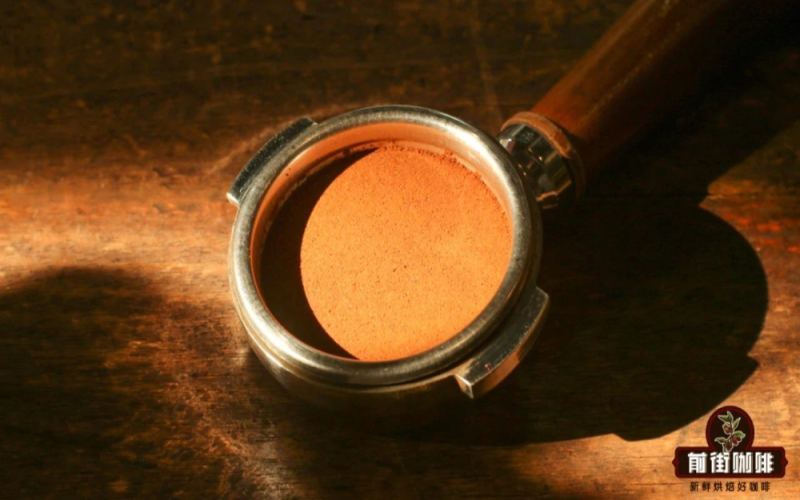
The Complete Guide to Espresso Extraction: A Practical Guide from Coffee Bean Selection to Grind Parameter Adjustment
In today's era where single-origin and pour-over coffee are all the rage, espresso extracted with a semi-automatic espresso machine remains the cornerstone of a café's product line. Making a qualified espresso may seem as simple as pressing a button, but in reality, there are numerous variables at play. This article will systematically outline the standard appearance and flavor characteristics of a good espresso, and explain how to develop an extraction plan based on bean characteristics from the perspectives of primary parameters such as coffee bean quality, roasting differences, grind size, and dose ratio, as well as secondary parameters like water temperature and pressure. It will also share how distribution and tamping techniques affect extraction results, and recommend bean options suitable for espresso extraction, such as Front Street Classic Blend, Front Street Specialty Blend, Front Street Commercial Blend, and Front Street Dark Cocoa Base Blend, to help baristas and enthusiasts achieve consistent results. [more…]
Why Do So Many Baristas Have Tattoos? Looking at Professional Belief and Individual Expression Through the Evolution of Starbucks Policy
In chain-brand stores or independent coffee shops, baristas with tattoos are becoming increasingly common. Some joke that "having a big tattooed arm is the first step to becoming a barista," while others wonder "why do all baristas have tattoos?" Behind this phenomenon lies both the evolution of industry culture and the loosening of restrictions on employees' individual expression by companies like Starbucks. Starting from discussions on social platforms, this article reviews the changes in Starbucks' tattoo policy, explores the relationship between tattoos and baristas' professional identity, passion, and professionalism, and reminds readers to view tattoo choices rationally, not judge people by their appearance, and ultimately evaluate whether a barista is qualified based on coffee quality rather than appearance. [more…]

Specialty Coffee | What is the definition of specialty coffee? Is single-origin coffee the same as specialty coffee? Which coffee beans qualify as specialty coffee?
In today's society, everything has to be high-end—whether it's food or drink, as long as you add the word "specialty," its value instantly skyrockets. But whether it's truly worth it depends on individual choice. As one of the world's three major beverages, coffee has its own unique history and culture, and likewise across the globe [more…]
An Analysis of Espresso Flavor Characteristics and Extraction Principles, with Front Street Coffee's Preparation Process Steps
Espresso is the base of many coffee drinks and a litmus test for a barista's skill. Starting from the daily output at FrontStreet Coffee, this article systematically reviews the historical evolution, extraction principles, and tasting methods of espresso, and breaks down in detail how key parameters such as dose, yield, grind size, and pressure affect flavor. It also shares the complete preparation scheme used at Front Street stores with the Feima E98 espresso machine paired with the Sunflower Warm Sun blend beans, helping coffee enthusiasts understand how to extract a qualified Espresso with rich crema and a full-bodied taste. [more…]
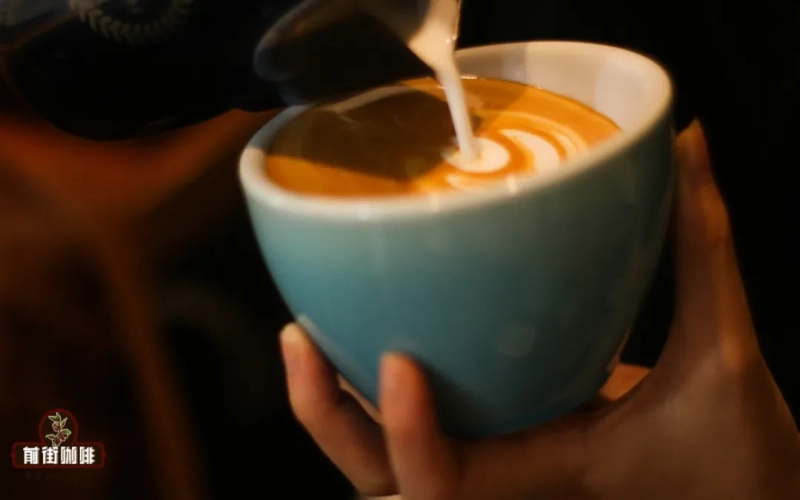
Key Points for Specialty Coffee Shop Barista Interview Assessment: Essential Techniques and Common Issues in Hot Latte Preparation
In the recruitment process for specialty coffee shops, making a hot latte is a practical test that almost every applicant must face. Specific requirements may vary from one coffee shop to another, but the core assessment points are highly consistent: whether one can consistently extract a qualified espresso, whether one can steam dense and delicate milk foam, and whether one can perfectly combine the two. This article compiles the details that require special attention in making a hot latte, including milk temperature control, milk frothing techniques, and pouring methods, and also mentions related product recommendations from Front Street Coffee, helping coffee enthusiasts and job seekers better understand this basic yet crucial beverage. [more…]
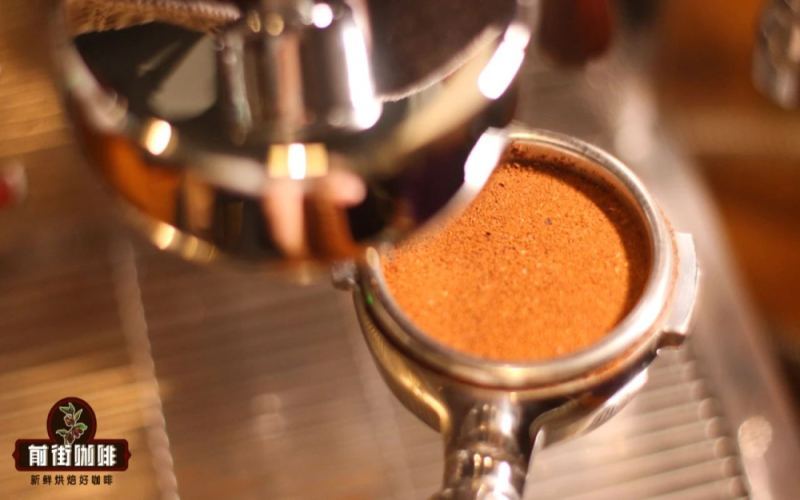
How to Make Espresso? A Detailed Explanation of the Extraction Steps, Three Layers, and Key Details
Espresso has always held a key position in café offerings, and as its soul, espresso is a core skill that every barista must master. What exactly is espresso? How should a qualified shot of espresso be extracted? Front Street Coffee will draw on practical experience, starting from the definition of espresso and its three layers, gradually breaking down the complete process of cleaning the portafilter basket, grinding and dosing, distributing the grounds, tamping, locking in the portafilter and extracting, and finally cleaning—while highlighting two key details: even distribution of grounds and recording parameters—to help coffee lovers consistently recreate their ideal espresso at home. [more…]
What is the flavor code of espresso? Which coffee beans and extraction process should be chosen for an authentic cup?
Espresso is the core of café output and the litmus test of a barista's fundamental skills. This article begins with the definition of espresso and its three major structures, explains the formation principle of the crema, clarifies why espresso production favors fresh medium-dark roasted beans, and offers recommendations for two Front Street Coffee espresso blends; it then provides a complete breakdown of the six-step process from cleaning the portafilter basket, grinding and dosing, distributing the grounds, tamping, locking in the portafilter and extracting, to cleaning. Whether you want to understand espresso flavor or want to consistently replicate a qualified espresso at home, this article will give you clear answers. [more…]
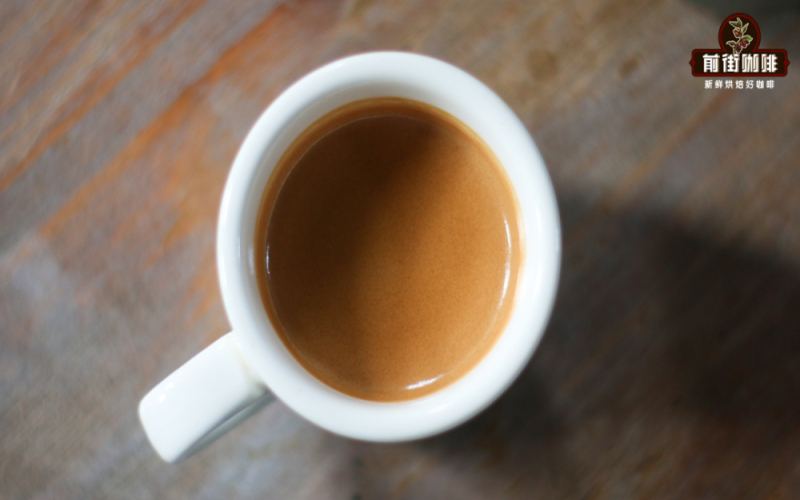
The Complete Espresso Extraction Workflow: A Standard Operating Guide from Dose Selection to Parameter Fine-Tuning
A qualified espresso is the soul base of popular coffee drinks such as americano, latte, and cappuccino. Although few people drink it directly, mastering its extraction method is a required course for every coffee lover. Starting from the pressure extraction principle of espresso machines, this article will analyze in detail the control logic of the four core variables: dose, time, yield, and grind size, and explain why blended beans are more suitable for making espresso. At the same time, taking "Front Street Sunflower Warm Sun Blend" as an example, the article fully demonstrates the standard operating steps from weighing the grounds, distributing, tamping, to extraction, and provides parameter adjustment suggestions for common problems such as burnt bitterness and weakness, helping you consistently produce a balanced espresso with sweetness, acidity, and bitterness at home. [more…]

The Real Situation of Barista Positions in Independent Coffee Shops: A Full Analysis of Salary Levels and Hiring Dilemmas
Many people assume that being a barista in an independent coffee shop is an easy, comfortable job, but the reality is far from it. Coffee shop owners generally report that hiring is difficult, while job seekers' skill levels and salary expectations are often severely out of step with the actual situation. This article approaches the topic from the dual perspectives of coffee shop owners and practitioners, offering an in-depth analysis of the real wages of baristas in independent cafés, the difficulties of recruitment, and the professional qualities a qualified barista should possess. It also explores how baristas can achieve higher income and recognition in this industry through continuous learning and self-improvement. [more…]

Types of Milk Coffee | What is a Flat White Australian-style white coffee? What's the difference between a Flat White, a Latte, and a Dirty? What is the coffee-to-milk ratio in a Flat White?
Now when you walk into a specialty coffee shop, you'll always see milk-based coffees like Flat White, Latte, and Cappuccino on the espresso menu, and some even offer Dirty or the more niche Piccolo. Among this dazzling array of coffees, what's the difference between a Flat White and a Latte? [more…]
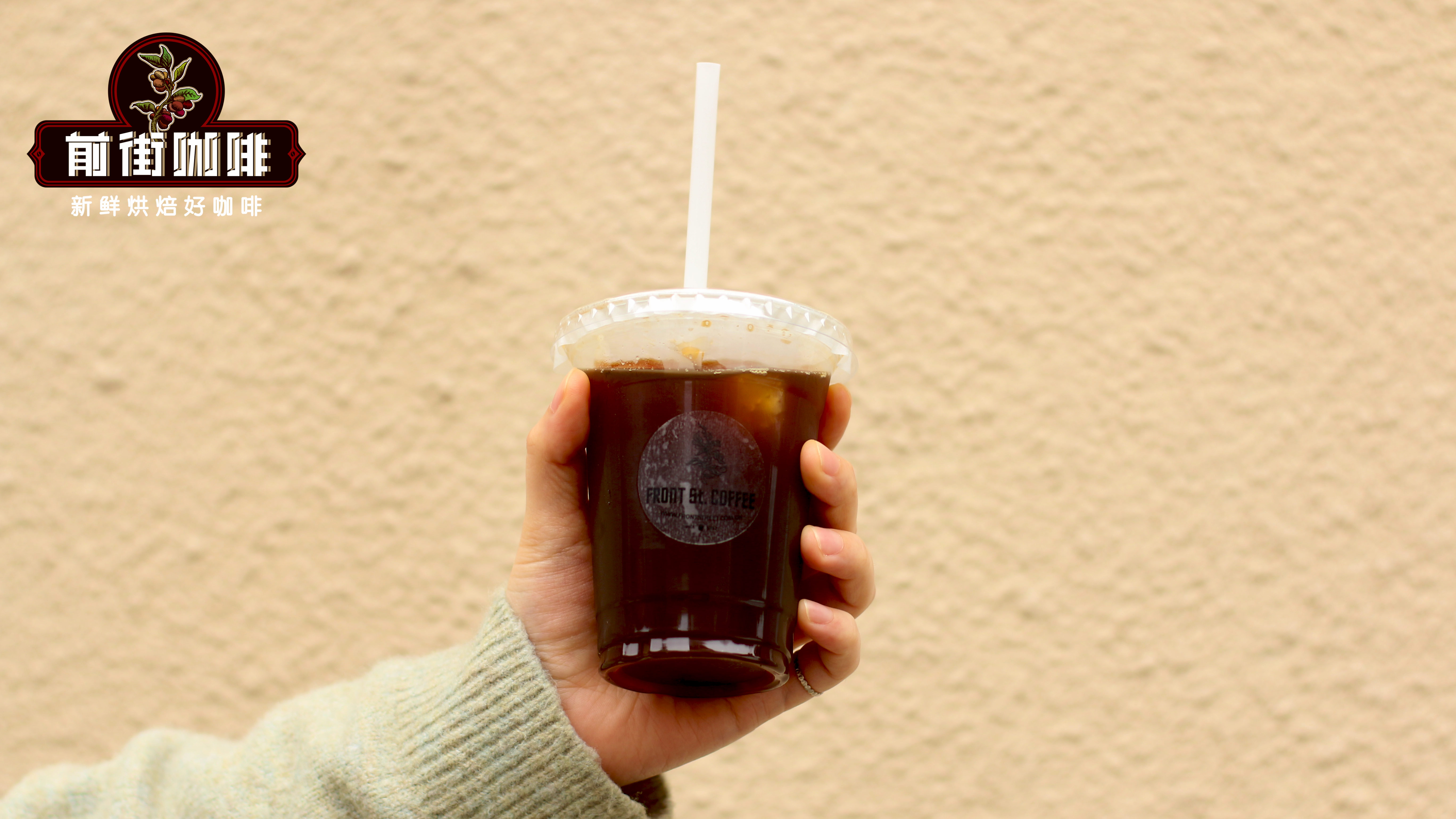
Americano Meaning Explained: Why Is Iced Americano So Addictive? A Guide to Drinking Espresso the Right Way
Americano is one of the most common drinks on coffee shop menus, yet many people may not be able to clearly explain where it actually came from or how it differs from espresso. This article, from the perspective of Front Street Coffee, sorts through the origin story of Americano, explains the extraction principles of espresso along with key parameters such as portafilter basket capacity and coffee-to-liquid ratio, and explores what conditions a qualified shot of espresso needs to meet. It also explains the differences in preparation methods between Americano and espresso, and why some people develop a sense of dependence on iced Americano. The hope is to help coffee lovers understand these two types of coffee more systematically, so they can choose coffee beans that suit their own taste preferences. [more…]
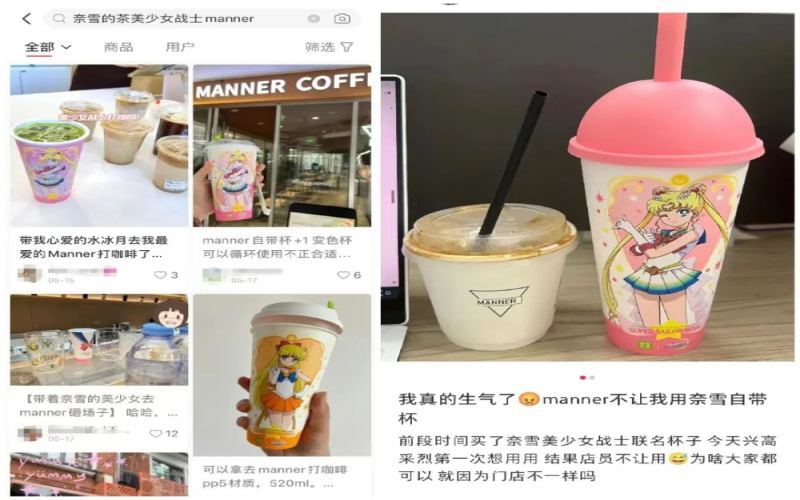
Manner's Bring-Your-Own-Cup Policy Sparks Controversy: Whether Plastic Bubble Tea Cups Qualify for Discount Becomes the Focus
Manner Coffee's bring-your-own-cup discount has always been a highlight attracting consumers, and many customers, in order to save 5 yuan, are used to bringing their own cups to buy coffee every day. However, recently a customer was refused by a barista when using a Nai Xue limited-edition milk tea cup, while on social media someone succeeded in buying with the same type of cup, raising questions about inconsistent enforcement standards across Manner stores. At the same time, whether plastic takeaway cups can be used as bring-your-own cups has also become a hot topic of discussion. This article will sort through the course of events, the differences in plastic materials, and the views of various parties, and bring related recommendations from the Front Street brand. [more…]
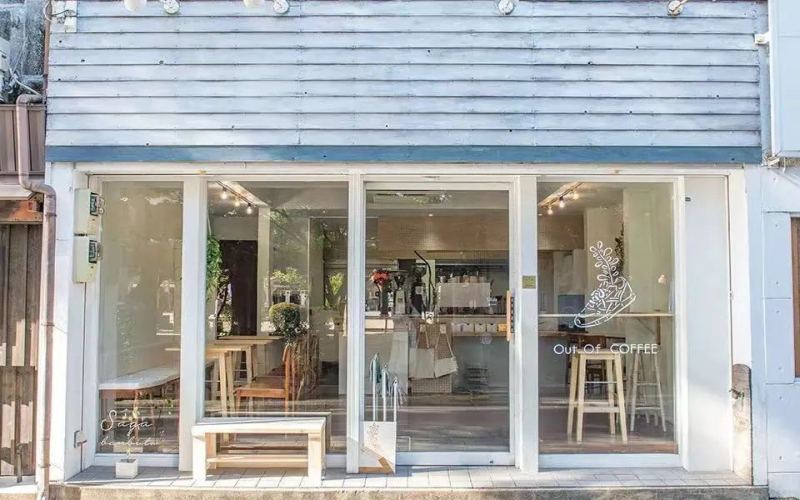
The Truth About Being a Barista: From Daily Cleaning to Future Development, What Does the Job Really Involve?
Many people are drawn to the artistic vibe of a barista brewing at the counter and the leisurely atmosphere of a coffee shop, putting this profession on their ideal career list. However, the real job of a barista is far more than just making coffee—it also involves a great deal of service and cleaning tasks. Based on survey data, this article analyzes the current hiring landscape for barista positions, daily job responsibilities, skill-learning paths, and future career development directions, helping those considering entering the field rationally assess whether this job suits them, while also retaining relevant resource recommendations from Front Street Coffee. [more…]
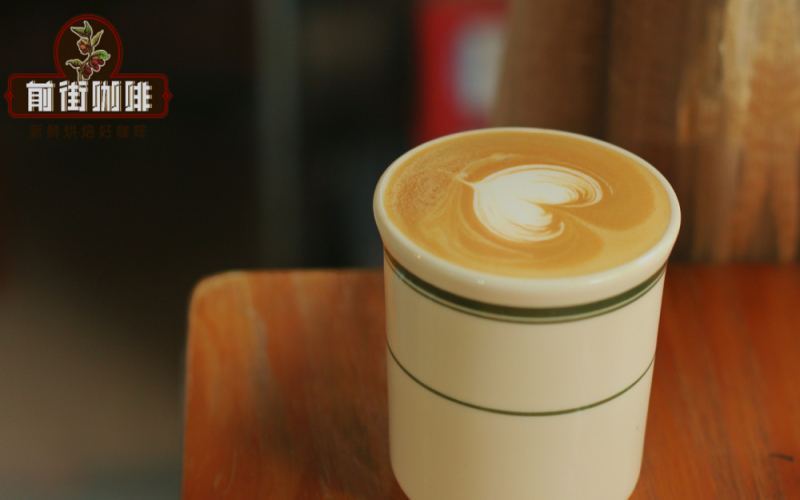
A Complete Guide to Flat White, Latte, and Dirty Coffee: Milk Coffee Ratios, Espresso Usage, and Key Production Points
Walking into a specialty coffee shop and facing the menu with Flat White, Latte, and Dirty, many people hesitate over which cup to choose. They are all made from espresso and milk, yet each has its own nuances in milk volume, coffee strength, foam thickness, and preparation method. Starting from Front Street Coffee's classic espresso blend, this article first clarifies the definitions and differences among Latte, Flat White, and Dirty, then ranks them by milk content, coffee content, and overall richness, and finally explains the preparation methods of the three coffees step by step, including espresso extraction, milk steaming, pouring techniques, and the secret to Dirty's hot-and-cold layering, helping coffee lovers make a choice based on their own taste preferences. [more…]
How to make a proper espresso? A complete guide from machine principles to parameter tuning
To make a good Americano, latte, or cappuccino, the first step always comes down to a proper shot of espresso. From the perspective of Front Street, this article first explains the pressure extraction principle of espresso machines, then breaks down the four major adjustable variables—dose, time, yield, and grind size—goes on to explain why blended beans are better suited for espresso output, and provides a complete workflow from distribution and tamping to observing extraction. Finally, it includes guidance on judging daily parameter adjustments to help you consistently master the flavor in your cup. [more…]
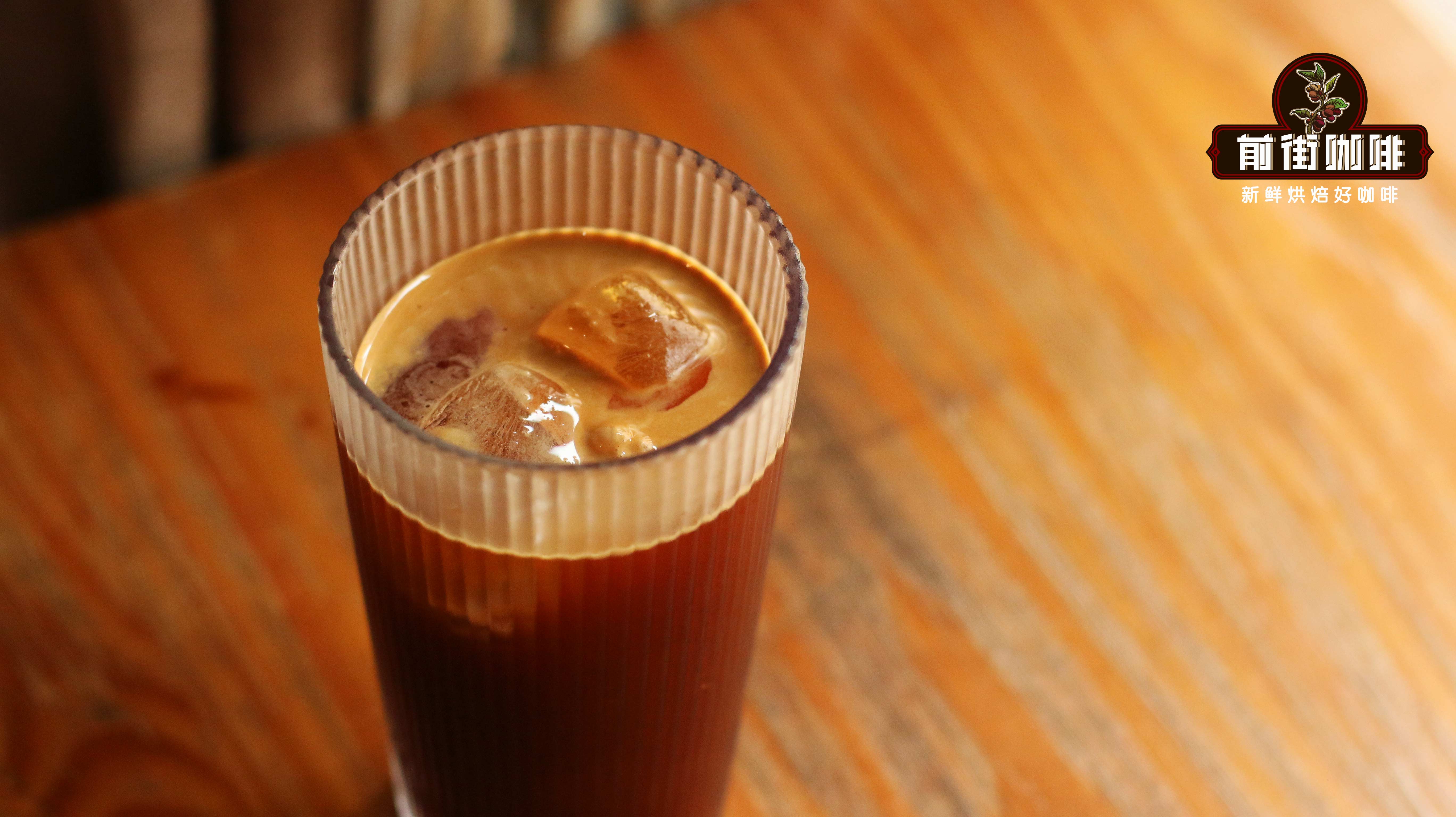
Step-by-Step Guide to Making Americano: A Full Breakdown of Iced Americano Cup Capacity, Ratios, and Calories
Americano may seem like it only requires two steps—espresso and water—but in reality it is the best test of a barista's extraction skills. Without the embellishment of milk, the flavor characteristics of the coffee beans themselves are amplified in an Americano, so many industry professionals judge a shop's quality by a single cup of Americano. This article will start with espresso extraction parameters, combine them with the practical experience of Front Street Coffee, and separately explain the production process, coffee-to-water ratio, and cup size selection for hot and iced Americanos, while also exploring an interesting detail—after skimming off the crema on the surface of the espresso, how does the flavor of the Americano change? Whether you want to replicate a qualified Americano at home or want to gain a deeper understanding of the extraction logic of Italian-style coffee, you can find practical references in this article. [more…]

A Complete Guide to Espresso Making: Extraction Parameters, Operating Steps, and Mastering the Optimal Time
Espresso is the base for many classic coffee drinks, and behind what appears to be a simple operation lies the need for precise control of variables such as dose, yield, time, and grind size. This article will systematically explain the extraction principles of Espresso, describe how high pressure rapidly releases the essence of coffee, and introduce in detail the actual operating workflow at Front Street Coffee stores, including control of an 18–20 g dose, a 1:2 extraction ratio, and a 20–35 second time window. It will also explain why blended beans are more suitable for espresso extraction and recommend the recipe and flavor performance of Front Street Coffee's "Sunflower Warm Sun Blend," helping coffee enthusiasts understand the key details behind a qualified shot of espresso. [more…]
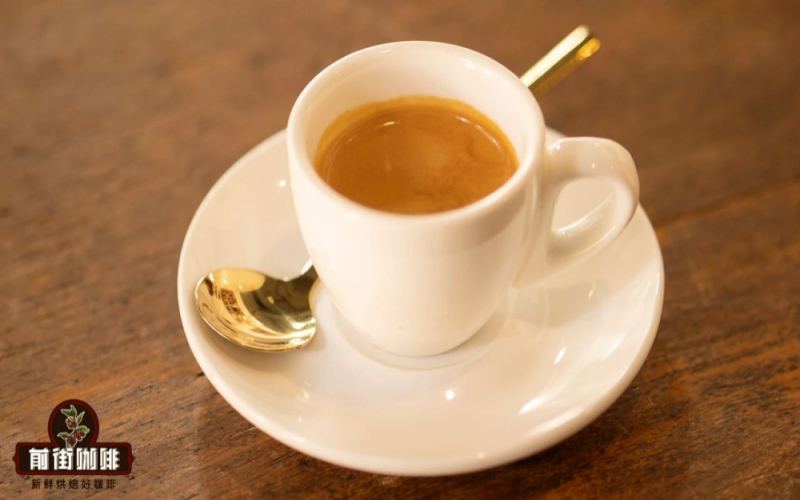
Espresso Brewing Guide: Standard Parameters, Flavor Characteristics, and Four Front Street Coffee Blend Recommendations
Espresso is the cornerstone of the modern coffee system and a topic every coffee lover cannot avoid. What should a qualified espresso look like? How should the six major parameters—dose, ratio, time, flow rate, pressure, and water temperature—be understood and coordinated? Starting from the production practices of Front Street Coffee, this article systematically sorts out the extraction standards and flavor characteristics of espresso, and provides a detailed introduction to the recipes, flavors, and applicable scenarios of four espresso coffee beans: Front Street Dark Cocoa Blend, Specialty Blend, Commercial Blend, and Warm Sun Blend. Finally, it includes practical reminders on coffee bean purchasing and the optimal tasting period, helping you make a satisfying Espresso at home or in a shop. [more…]